ASO Annual Conference Chicago 2016
November 17, 2016
ASO Annual Meeting, Chicago 2014
November 24, 2014ASO Annual Conference Chicago 2016
November 17, 2016ASO Annual Meeting, Chicago 2014
November 24, 2014ASO Annual Conference Chicago 2016
November 17, 2016ASO Annual Meeting, Chicago 2014
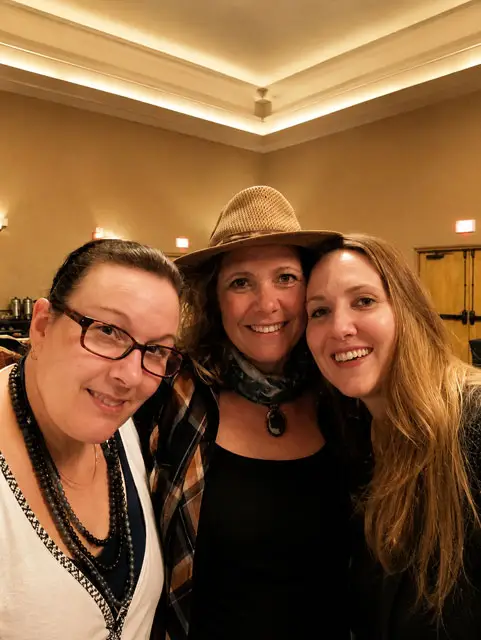
November 24, 2014ASO Mid Year Conference 2015 was held in Phoenix Arizona, USA and abstracts by Dr Zachary Berbos and Dr Ali Ghafouri proved most interesting.
Dr Berbos presented an overview of ocular and orbital embryological development in the human. In addition, common abnormalities resulting from embryologic maldevelopment was discussed. Conditions such as Peters Anomaly which we see at our practice from time to time was discussed.
Dr Ali Ghafouri, MD ,Oculoplastic surgeon, provided an overview of the anatomy, physiology and common pathologies of the nasolacrimal system. Clinical anatomy of the nasolacrimal apparatus as it relates to facial and sinus structures will be discussed. Lacrimal pump mechanism, secretory and out-flow components of the lacrimal system was described. There was a review of common infectious, inflammatory and involutional conditions affecting the lacrimal system. The course covered the medical and surgical management of the dysfunctional nasolacrimal system. We have seen problems occurring from an ill fitting prosthesis regarding the tear secretions in the past.
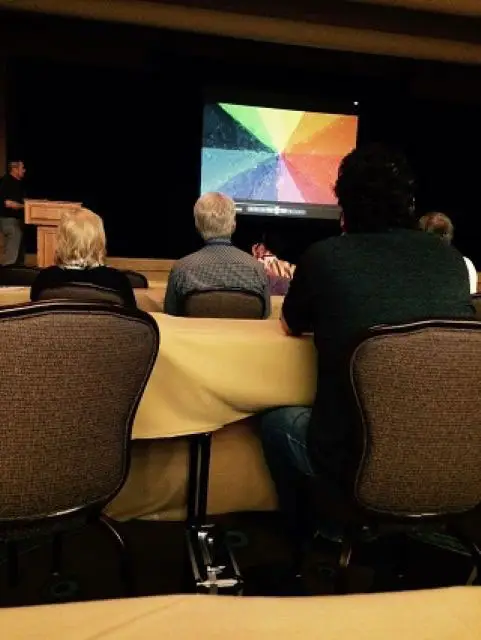
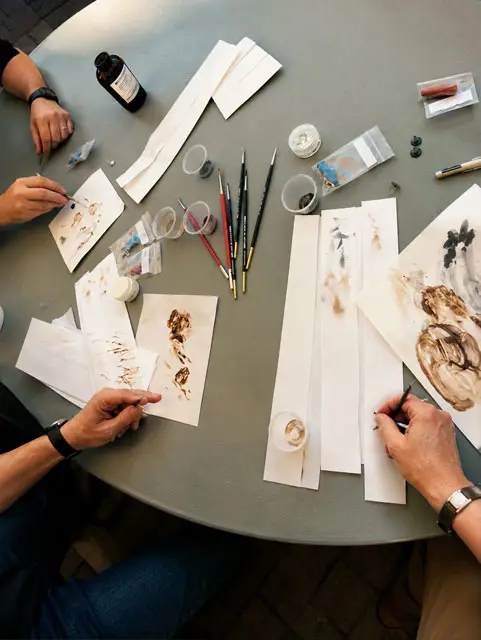
More technical courses were delivered wrt colour theory and workshops, wear and care of prostheses – are our patients properly instructed and are the instructions followed and retained? Depending on the situation, frequent insertion and removal is not recommended due to loosing the biofilm, an enzymatic or protein film that coats the prosthesis and allows it to be chemically compatible with the anophthalmic socket. Each patient is to be assessed and advised. Likewise, when the prosthesis is polished, is it properly washed before re-insertion? The polish residue can cause a lot of irritation.
Artifical tears are needed by some patients and various types are available, low viscosity such as refresh drops, medium viscosity such as refresh liquigel, high viscosity such as Strauss oil drops (we have in stock) and very high viscosity such as Xailin gel or duratears. Personal preference is important but in dry, dusty areas with lots of wind, careful consideration should be taken as to avoid dye eye problems – in an anophthalmic socket this often results in giant papillary conjunctivitis.
Over and above, fitting techniques were discussed, a gem of a lecture to all Ocularists, young and old.
We take careful note of incorporating all this information, some new and some in the form of reminders here at our practice. This is the only way we believe, of staying on the cutting edge and refining techniques and employing and disclosing information to our patients. Anything you may want to know, just ask. Also be assured that the end product for our patients is a culmination of continued learning and research.



Related posts